
Favorite Tools And Materials For Successful Bathtub Installations
Learn about the most trusted products that help you achieve a flawless and hassle-free bathtub installation.
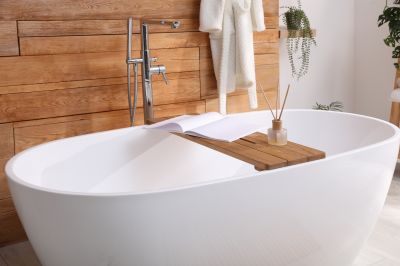 Installing a bathtub involves selecting the right products to ensure a safe, functional, and aesthetically pleasing setup. From the initial planning stages to the final touches, it is important to consider various components that contribute to a successful installation. The process typically begins with choosing the appropriate bathtub unit, which can vary widely in style, material, and size to match the bathroom’s design and space constraints. Alongside the bathtub itself, selecting compatible fixtures such as faucets, drains, and overflow covers is essential for proper operation and leak prevention.
Top Overall Option
Universal Bathtub Installation Kit
A versatile installation kit that includes essential components such as a durable tub surround, adjustable mounting brackets, waterproof sealants, and compatible plumbing fittings. It provides a comprehensive solution suitable for a variety of bathtub models and installation scenarios, making it a practical choice for both DIY enthusiasts and professionals seeking reliability and ease of use.
Types of Products For Bathtub Installations
Acrylic Bathtubs
Lightweight and easy to install, acrylic tubs are popular for their smooth finish and variety of shapes and sizes.
Cast Iron Bathtubs
Known for durability and heat retention, cast iron tubs offer a classic look with long-lasting performance.
Fiberglass Bathtubs
Affordable and easy to maintain, fiberglass tubs are a common choice for renovation projects.
Soaking Tubs
Designed for comfort, these tubs are deeper to allow for full-body immersion and relaxation.
Corner Bathtubs
Maximize space with corner models that fit neatly into bathroom corners, often featuring additional features like jets.
Whirlpool Tubs
Equipped with jets, these tubs provide hydrotherapy options for relaxation and muscle relief.
Walk-in Tubs
Designed for accessibility, walk-in tubs feature doors and low thresholds for easier entry.
Clawfoot Tubs
Vintage-style tubs that add character and charm to classic or retro bathroom designs.
Drop-in Tubs
Installed into a custom surround or deck, these tubs offer flexibility in design.
Undermount Tubs
Integrated seamlessly into bathroom surfaces for a sleek, modern look.
Shower-Tub Combos
Versatile units that combine bathing and showering functions in one space.
Freestanding Tubs
Standalone units that serve as focal points, often with elegant designs.
Alcove Tubs
Designed to fit into three-wall alcoves, ideal for maximizing small bathroom space.
Vessel Tubs
Above-floor installation with a distinctive, bowl-like appearance for a modern aesthetic.
Jet-Stream Tubs
Features multiple jets for targeted massage and hydrotherapy benefits.
Eco-Friendly Tubs
Made from sustainable materials or designed to conserve water, suitable for environmentally conscious projects.
Luxury Spa Tubs
High-end models with advanced features like chromatherapy, heated surfaces, and customizable jets.
Popular Choices
Favored for their light weight and ease of installation, acrylic tubs are common in many bathrooms.
Offering durability and a classic look, cast iron tubs remain a popular choice for long-term installations.
Cost-effective and simple to maintain, fiberglass tubs are often selected for renovation projects.
Ideal for maximizing space, corner models provide versatile options for various bathroom layouts.
Designed for accessibility, these tubs are increasingly chosen for safety and convenience.
Popular for relaxation, whirlpool models with jets are common in modern bathrooms.
Their aesthetic appeal and flexibility make freestanding tubs a trending choice.
Offering customization options, drop-in models are frequently used in new installations.
With their distinctive appearance, vessel tubs are gaining popularity in contemporary designs.
Combining functionality, these units are often selected for small or multi-purpose bathrooms.
Space-efficient and versatile, alcove tubs are a common choice for standard bathrooms.
For those seeking a high-end experience, luxury spa tubs with advanced features are increasingly sought after.
In addition to the core components, supporting accessories like waterproof sealants, mounting brackets, and reinforcement panels help secure the bathtub and prevent water damage. Proper plumbing connections are crucial to ensure reliable water flow and drainage, which can involve flexible hoses, shut-off valves, and trap assemblies. For those undertaking DIY installations, it is advisable to understand the compatibility of these products with existing plumbing systems and to follow manufacturer instructions carefully.
The installation process also requires attention to safety and accessibility features. Consideration of slip-resistant surfaces, grab bars, and ergonomic designs can enhance safety and comfort. When selecting products, it is beneficial to evaluate the durability and ease of maintenance of materials used, especially in high-use bathrooms. Proper ventilation and moisture barriers are additional factors that contribute to the longevity of the installation, helping to prevent mold and structural issues over time.
Overall, choosing the right products for bathtub installation involves balancing functionality, safety, and style. Consulting with professionals or experienced DIYers can provide valuable insights into the best practices and product choices suitable for specific bathroom layouts. Whether upgrading an existing setup or installing a new bathtub, careful selection of quality components can support a successful and long-lasting bathroom renovation.
Key Buying Considerations
- Size and dimensions to fit your bathroom space
- Material durability and maintenance requirements
- Compatibility with existing plumbing connections
- Accessibility features such as low thresholds or grab bars
- Style and aesthetic to match your bathroom decor
- Installation type (drop-in, alcove, freestanding, etc.)
- Weight of the bathtub and structural support needed
- Presence of additional features like jets or heating elements
- Water capacity and depth for comfort and usability
- Ease of cleaning and long-term upkeep
- Availability of replacement parts and accessories
- Cost considerations and overall budget
- Warranty and manufacturer support
- Energy efficiency and water conservation features
- Compliance with local building codes and safety standards
This page contains affiliate links. We may earn a commission from qualifying purchases, which helps support our content and site maintenance.